Pool type
Structural engineering for spa pools and combination spa-and-pool structures.
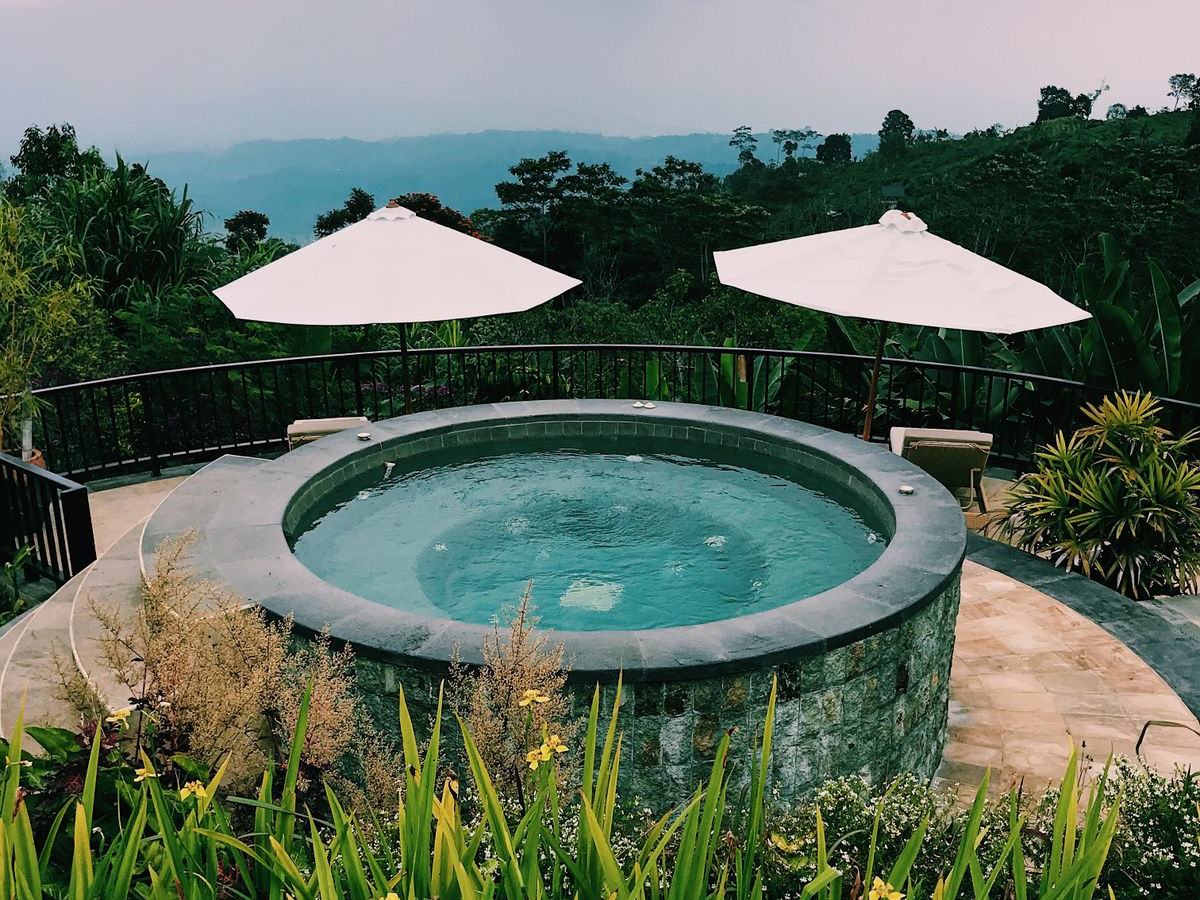
In shortSpas are usually raised above the pool or the ground, so the engineering is about support and the shared wall — an elevated spa is a concentrated water load, and a spillover wall holds different water levels on each side.
A spa is small, but a raised spa concentrates a lot of weight into a small footprint — water, the shell itself, and often stone or tiled finishes. Where it sits above the pool, on a bench, or on a raised platform, that load has to be carried down to something capable of taking it, whether that is its own footing, the pool shell, or a supporting structure designed for the purpose.
In a combination spa and pool, the wall between them is the most demanding element. It holds water on both sides at different levels, so it is loaded unequally, and it is often the spillover edge as well. It is designed as a structural element in its own right, with the connection between the spa and pool shells detailed deliberately rather than left as a construction joint of convenience.
Where a spa is elevated on a sloping site or built into a raised terrace, the structure holding that level — and the ground behind it — needs its own design. See pool retaining wall engineering.
Spa water is heated and cycled, which means the shell sees temperature changes a pool shell does not. Repeated thermal movement acts on the structure and on the joints between the spa and the adjoining pool, so joint detailing at that interface matters more than its small size suggests.
Structural design for the spa shell and its support structure, design of the shared or spillover wall and the connection between spa and pool, retaining design where required, plus calculations and documentation prepared for approval.
FAQs
Often, but it is a structural alteration to the existing pool, not an addition beside it. The existing shell has to be assessed to confirm it can take the new loads and the new connection — start with an inspection and assessment.
It needs a defined load path to adequate support. Sometimes that is a separate footing; sometimes the load is carried by the pool structure where that has been designed for it. What does not work is placing a raised spa on a shell never designed to carry it.
Yes. That wall retains different water levels on each side and is a visible finished edge, so it is designed structurally and detailed for both watertightness and level tolerance.
Send your plans or site details and get a structured, itemised quote.