Pool type
Structural engineering for standard family-sized in-ground pools.
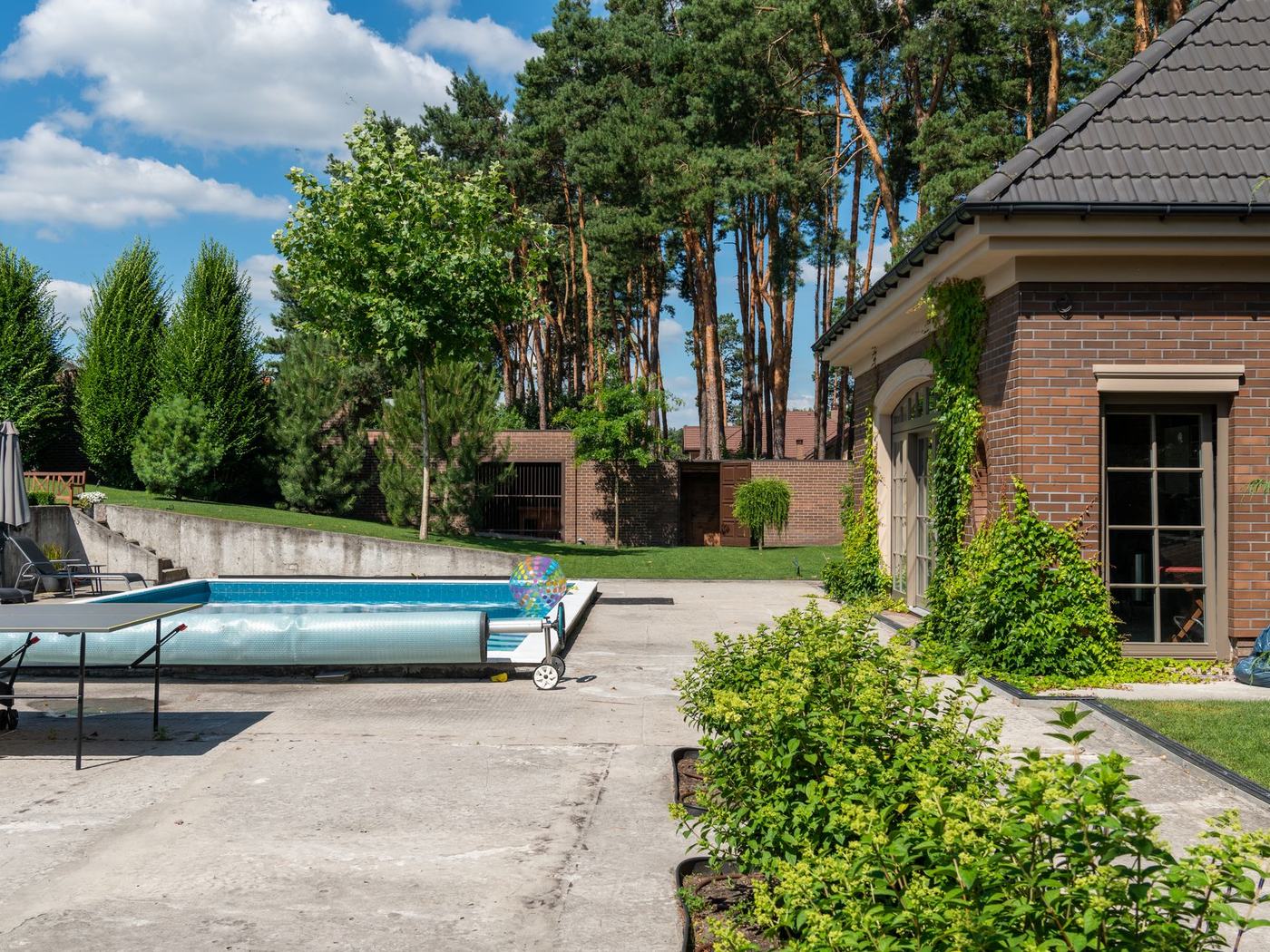
In shortA family pool is the most straightforward pool to engineer, but it still needs a shell designed for the actual soil, water table and surcharge loads on your block — a standard detail applied to the wrong site is where problems start.
Family pools are usually the simplest pools to engineer — regular geometry, moderate size, and often a reasonably level site. That does not make the engineering optional. The shell is a water-retaining structure that has to hold its shape when full, resist the surrounding soil when empty, and stay stable through both conditions for decades.
The design covers shell thickness and reinforcement, the transition between the shallow and deep ends, the footing or ring beam under the walls, and how the shell handles the loads applied to it from outside.
Two blocks in the same street can need different pool structures. The variables that matter most are:
Structural drawings showing shell geometry, reinforcement layout, bar sizes and spacings, joint locations and
footing details; structural calculations supporting the design; and documentation prepared in a form your council
or private certifier can assess. Concrete pool designs are prepared in accordance with AS 2783
(Concrete Swimming Pools) and AS 3600 (Concrete Structures).
The most common problem we are asked to assess is a shell built to a generic detail that did not suit the site — typically reactive soil, a surcharge nobody accounted for, or backfill placed without proper compaction. The symptom usually shows up later as cracking. Our guide on why concrete pools crack covers how to tell a cosmetic crack from a structural one.
FAQs
In most Australian jurisdictions a pool is a structure requiring engineering design and certification for approval. Beyond the paperwork, the shell has to be designed for your soil and water table — see our guide on whether you need a pool engineer.
It depends on the depth of the pool, the depth and type of the house footings, and the soil. The constraint is usually the excavation, not the finished pool — digging within the zone of influence of an existing footing can undermine it, so that relationship is assessed as part of the design.
Yes. Reactive clay swells and shrinks with moisture, applying ongoing pressure to the shell. Reinforcement, wall thickness and joint detailing are adjusted for the site classification rather than carried over from a standard detail.
Send your plans or site details and get a structured, itemised quote.