Guide
Quick answerReinforcement (steel bar) gives a concrete pool shell the tensile strength to resist combined water and soil pressure without cracking, and the layout has to be engineered specifically for each pool’s geometry and site conditions.
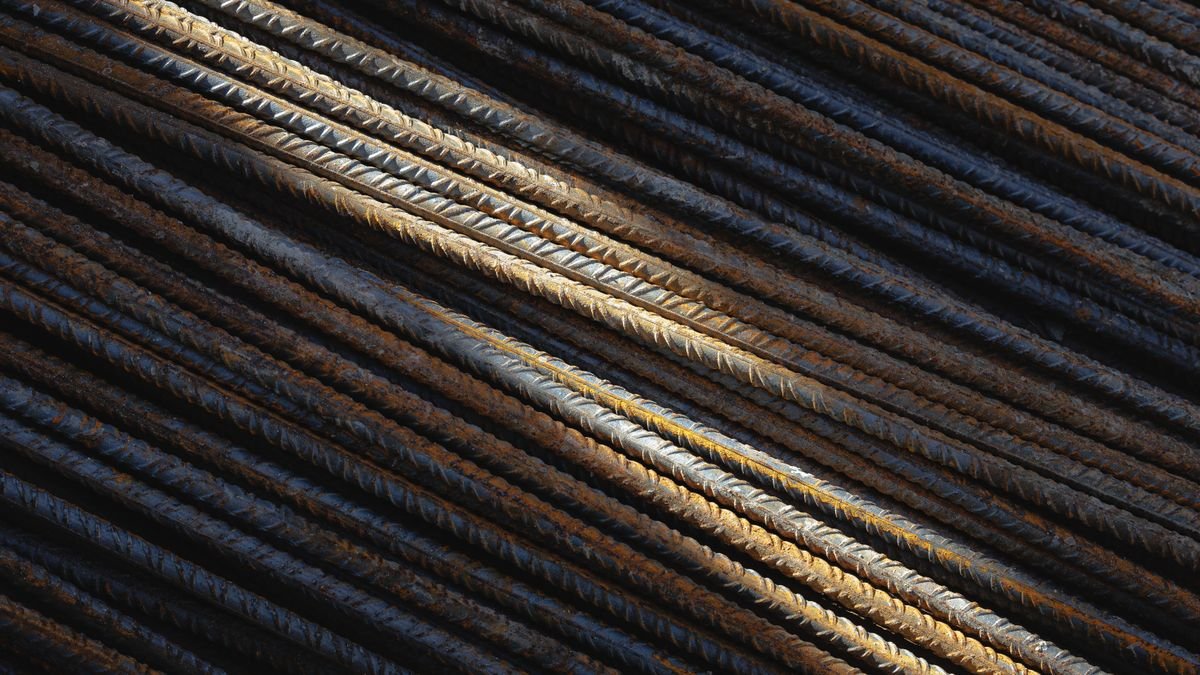
Reinforcement is what gives a concrete pool shell its structural strength — without it, a concrete shell would be brittle and prone to cracking or failing under the combined water and soil pressure it experiences. This guide covers what reinforcement design in a pool shell actually determines, why it has to be engineered for each specific pool rather than copied from a generic layout, and what the resulting documentation looks like.
A concrete pool shell is a reinforced concrete structure holding back both water pressure from inside and soil pressure from outside — often simultaneously in different directions at different points on the shell. Reinforcement (steel bar, typically deformed bar for better bond with the concrete) gives the concrete the tensile strength it doesn’t have on its own to resist these combined pressures without cracking or failing. Concrete is strong in compression but weak in tension; reinforcement is what carries the tensile loads the concrete alone can’t.
The right reinforcement for a given pool depends on its specific shell geometry, size, depth, and site conditions — soil type, slope, and any retaining or boundary constraints all affect the loads the shell actually experiences. A reinforcement layout designed for one site and pool shape isn’t a safe assumption for another, even if the two pools look similar on the surface. This is why a genuinely engineered reinforcement design, rather than a generic or reused layout, is what council and certifiers expect to see.
Reinforcement detailing needs to suit the placement method. Poured (formed) concrete and sprayed shotcrete or gunite have different practical constraints around bar spacing, minimum cover, and how easily concrete can be placed or sprayed around closely-spaced steel — the structural drawings need to reflect whichever method your builder is using, since the same reinforcement layout doesn’t necessarily suit both.
A pool shell sits in a permanently wet, chemically treated environment, which makes corrosion protection for
the embedded steel a genuine durability consideration, not a minor detail. Adequate concrete cover over the
reinforcement is the primary protection method, and the required cover is generally specified with this exposure
environment in mind, consistent with AS 3600 durability requirements for the relevant exposure
classification.
Structural drawings showing the reinforcement layout and bar schedules, along with the calculations supporting the design — the documentation your builder needs to construct the shell as engineered, and the documentation council or your certifier will expect as part of the building approval. See our pool structural engineering page for how this fits into the full engineering package.
FAQs
The reinforcement layout is determined by the shell’s specific geometry, size, depth and site conditions, with additional reinforcement typically added at corners, steps, benches and penetrations.
No — the right reinforcement depends on the specific shell geometry, size, depth and site conditions, so a layout designed for one site and pool shape isn’t a safe assumption for another.
Yes — reinforcement detailing needs to suit the placement method, as poured concrete and sprayed shotcrete or gunite have different practical constraints around bar spacing and cover.
Send your plans or site details and get a structured, itemised quote.